Burnouts are a costly problem for companies, but they can be prevented!
Products
Wednesday 31 December 2025


Burnout is becoming an increasingly common issue. Prolonged periods of pressure and uncertainty have had a clear impact on people’s mental well-being. More and more employees experience stress-related complaints, which in some cases develop into depression or burnout. Research shows that a significant group feels less mentally fit than before.
This rise in mental health problems affects not only individuals, but also organizations. Long-term stress and burnout lead to absenteeism, lower productivity, and higher costs. By using tools such as a competency test, organizations can better understand roles, workload, and capabilities. Studies estimate that work-related stress and burnout cost businesses billions of euros each year.
Burnout costs more and more
The costs involved are enormous and continue to rise year after year. What is particularly striking is that these figures have shown a steady increase over time. Not only the financial impact is growing, the number of absence days due to stress-related complaints is also going up significantly.
Although the exact impact of major societal disruptions is difficult to measure, it is clear that the upward trend in stress, absenteeism, and burnout is not likely to reverse in the near future.
Burnout doesn't just end
If an employee steps away from their role due to burnout, you have a big problem as an organization. Psyned, the trade organization for psychologists, says that the time needed to recover from burnout varies per person. If the burnout is actively addressed, at best, it takes about a year. However, recovery from burnout can take several years.
Employees who drop out due to burnout are therefore out of work for a long time. During their recovery period, their salary must be paid. The onus is also on the company to find a suitable replacement and, in the meantime, (even if you have a replacement) to deal with a loss of productivity.
Prevention is better than cure. This is always true, but especially so with burnout! If burnout is spotted in time, you can intervene and prevent absenteeism.
Shared blame
As an employer, you are quickly blamed when an employee burns out. This is too short-sighted a perspective. Theo Compernolle, professor of neuropsychiatry, says that burnout is caused by a concurrence of stressors. Nowadays, cell phones are partially to blame. Multitasking, quickly reading a (work) email while having breakfast, or constantly checking the news sites—according to him, the smartphone does not help us to relax.
Burnouts occur because people cannot slow down after a busy day at work. FOMO (fear of missing out) makes people undertake all sorts of social activities despite their fatigue. This is especially true now that it is "allowed" again, and many people feel they have some catching up to do.
On the other hand, companies also carry part of the responsibility. Limited autonomy at work, inappropriate behavior from external parties such as customers, and constant information overload are serious issues that are still not addressed well enough. A course on dealing with work pressure can help, but it is not sufficient to prevent burnout on its own. That is why it is important to understand individual differences, for example through a Jung personality test, and to identify which employees are at higher risk of burnout.
How is your employees’ mental health?
If you want to know how your employees are doing, a chat by the coffee machine helps enormously. The problem is that you're busy enough as it is, and it's impossible to go into depth with everyone.
Perhaps the colleague who is always whistling is at the end of his rope. Moreover, people tend to answer the question of how they are doing with: "Fine."
Wouldn’t it be invaluable if you had an instrument that could help you to quickly and efficiently keep a finger on the pulse of all your employees?
Online burnout risk test
The Bridge Burnout Indicator is an online test, developed by scientists, that helps you to identify burnout symptoms early.
The test was specifically developed (and extensively tested and validated) to prevent burnout in employees. This online burnout test not only measures whether your employees are dealing with burnout symptoms, but also evaluates whether they are happy with their work. The greater the happiness of your employees at work, the better they can handle stress and the smaller the chance of developing burnout.
Dimensions of burnout and job happiness
The online burnout test measures scores on four commonly used dimensions: general fatigue, mental distance to work, cognitive fatigue, and emotional fatigue.
Job satisfaction is measured on the following dimensions: involvement in work, proactive vitality, job satisfaction, and involvement in the organization
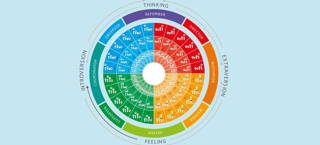
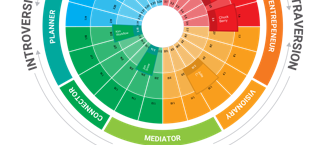
The test also measures the causes of excessive work pressure and whether there is stress or tension. In addition, insights from a 4 color personality test help explain how someone typically reacts to pressure and change. By using a technique called normative-ipsative split technology, the online burnout indicator detects early symptoms even sooner than the employee does. This makes it possible to intervene more quickly and more effectively when work starts to become overwhelming.
It is not for nothing that The Bridge burnout indicator is the most used burnout test in the Benelux. The best part is that you can order as many as you need, even if you only have one or two staff members!
Video: Professional burnout test
A professional burnout test gives you clear insight into burnout risk and work happiness. The Bridge Burnout Indicator is developed to help prevent burnout in employees. This burnout test is designed for professional use and uses advanced algorithms to provide a reliable and valid indication of burnout development.





















-
What is burnout and why does it matter for companies?
-
Burnout is a work-related stress condition that develops over time due to chronic pressure, leading to exhaustion, reduced engagement, and lower productivity. It affects employee well-being and performance, and can lead to higher absence rates and turnover, which impacts overall business results.
-
How does burnout affect workplace performance?
-
Burnout lowers productivity and energy, increases sick days, reduces work quality, and can weaken team morale. It also makes employees more likely to leave their job, increasing recruitment and training costs.
-
What are the financial costs of burnout for employers?
-
Burnout and related stress can cost businesses billions every year through reduced productivity, higher health-related costs, prolonged absence, and greater turnover.
-
Can burnout be prevented in the workplace?
-
Yes. Early detection and proactive measures—such as workload management, resilience training, and regular employee wellbeing assessments—can reduce the risk of burnout and its costs.
-
How can employers identify employees at risk of burnout?
-
Employers can use scientifically developed assessments that measure stress symptoms, work pressure causes, and overall work satisfaction. These tools help spot early signs of burnout so action can be taken before issues escalate.
-
Why is early detection of burnout important?
-
Catching burnout early makes it easier to intervene effectively, support employee recovery, and prevent long-term absence or turnover. Proactive detection also helps maintain productivity and reduce financial losses.
-
What role do assessments play in preventing burnout?
-
Assessment tools help understand individual employee stress levels and work-related pressures. They provide objective insights that inform targeted interventions and support strategies to prevent burnout.
-
How does burnout impact company culture?
-
Burnout can undermine team cohesion, reduce engagement, and create a negative work environment. Addressing burnout contributes to a healthier workplace culture and stronger employee commitment.
Online Assessment Tips