What is the ESFP personality type?
Performers (ESFPs) enjoy being around others and having fun. They love life and focus on the present moment. They find joy in people, food, clothing, animals, nature, and activities. They often ignore rules and look for creative ways to meet their own needs and the needs of others. They work well with others and prefer to make their work enjoyable and fun. Performers are curious about people and new experiences. They like to learn by doing, often engaging in activities to gain new knowledge.
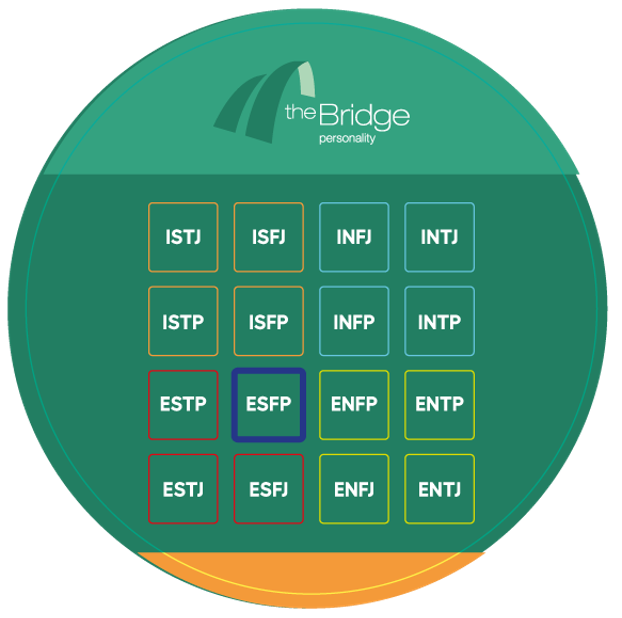
Preferences of ESFP (Performer):
How others view ESFPs?
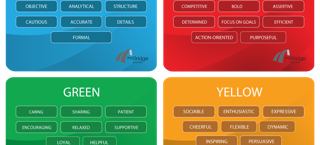
Performers (ESFPs) are often characterized as real enjoyers of life, making them pleasant company. They are exuberant and enthusiastic, which attracts other people. They don't often plan things ahead; they trust their ability to improvise and respond quickly to situations. They dislike structure and routine, always seeking new things.
Others see ESFPs as:
Pitfalls and development areas for ESFPs:
If Performers find themselves in a situation where they cannot use their traits and talents, they may:
ESFP and Career
An ESFP in the workplace is an energetic and enthusiastic colleague who effortlessly creates a positive and engaging atmosphere. They thrive in environments where they can use their social skills and genuinely enjoy working with people.
However, routine work is not ideal for ESFPs. Want to keep an ESFP motivated? Make sure they have variety, freedom, and room for spontaneity. Since they can sometimes be easily distracted or impulsive, providing clear expectations and occasional reminders can help keep them on track.
Working with an ESFP
ESFPs work well with flexible and social personalities, like ENFPs and ESFJs, who share their love for interaction and energy in the workplace. Together, they bring creativity, fun, and spontaneity to a team.
However, they may find it more challenging to work with ISTJs and INTJs, who value structure, planning, and long-term goals. The spontaneous and impulsive approach of an ESFP can sometimes clash with these types' need for order and predictability.
Best Careers for an ESFP
ESFPs do best in social and lively work settings where they can interact with people and handle different tasks. They shine in jobs that make use of their energy and people skills. Good career options for ESFPs include:






















The Bridge Tests & Online Assessments
TestGroup is the official provider of the renowned Bridge tests and online assessments, which are high-quality, scientifically validated psychometric tools used globally. Developed in collaboration with universities around the world, these assessments predict workplace behavior through personality tests, cognitive ability evaluations, and career assessments. We assist organizations globally in using online assessments.






-
What is the ESFP personality type?
-
The ESFP personality type is energetic, social, practical and people-focused. ESFPs enjoy real-life experiences, connecting with others and creating a positive atmosphere. They are often described as lively, warm and hands-on: they learn by doing, not by overthinking.
-
What does ESFP stand for?
-
ESFP stands for Extraversion, Sensing, Feeling and Perceiving. Together, these preferences describe someone who:
- gains energy from interaction with people (E)
- focuses on concrete facts and experiences (S)
- makes decisions with empathy and values in mind (F)
- prefers flexibility and spontaneity over strict structure (P)
-
What are typical strengths of an ESFP personality?
-
An ESFP type typically:
- brings energy, enthusiasm and optimism into the room
- connects quickly with others and builds rapport with ease
- responds well in dynamic, practical environments
- focuses on what people need in the here and now
- notices opportunities to help, support or engage others They are often excellent in roles where human contact, service, experience or impact are central.
-
What are potential challenges for the ESFP type?
-
ESFP personalities may:
- struggle with long-term planning or heavy structure
- lose interest in routine, repetitive tasks
- postpone difficult or technical details
- act quickly without always considering long-term consequences With clear priorities, short feedback loops and practical tools, ESFPs can manage these points effectively.
-
How does the ESFP personality show up at work?
-
At work, ESFPs are often:
- strong in customer-facing, client-focused or people-focused roles
- good at reading the room and adapting their style
- motivated by visible results and direct appreciation
- valuable for team spirit, engagement and a positive culture They thrive in environments that are open, collaborative and not overly rigid.
-
Is ESFP the same as the “Entertainer” type on 16Personalities?
-
16Personalities uses the label “Entertainer (ESFP-A / ESFP-T)” for a similar profile: social, expressive, spontaneous and people-oriented. That description is broadly in line with the classic ESFP type. TestGroup’s approach is more assessment-based: it links the ESFP personality type to validated scales and work-related competencies, making it suitable for professional use in organizations.
-
How does ESFP relate to the official MBTI framework?
-
In the original MBTI model, ESFPs are often called “Performers” or “Entertainers”: outgoing, practical, supportive and experience-driven. TestGroup’s 16 personality test uses the same four-letter code logic but is based on The Bridge Personality, which measures underlying traits and converts them into work-focused personality types and competencies. It is compatible with the MBTI language, but designed for evidence-based use in selection and development.
-
Is the ESFP type rare?
-
ESFPs are not among the rarest types. In many populations, they form a noticeable group: highly visible in social settings, frontline roles and people-oriented jobs. For organizations, that means ESFP personality types are often present in teams where direct contact and experience matter.
-
What jobs or careers fit an ESFP personality?
-
ESFPs often do well in roles such as:
- sales, account management, customer success
- hospitality, events, tourism, retail
- healthcare and care-giving roles with direct client contact
- HR, coaching, training and onboarding roles with interaction
- creative, media or brand-related roles with visible impact The best fit combines people, action and real-world results.
-
Can an ESFP be a good leader?
-
Yes. ESFP leaders can be engaging, approachable and motivating. They lead by being visible, accessible and close to the team. They are strong in situations where immediate decisions, hands-on support and connection with people are key. They benefit from support on long-term strategy, structure and follow-through.
-
How can organizations use ESFP personality insights?
-
Using a professional assessment such as The Bridge Personality, organizations can:
- identify candidates with an ESFP profile and see how this fits specific roles
- understand how ESFP types contribute to team dynamics and culture
- tailor coaching, feedback and development to their strengths
- use ESFP insights as part of a broader 16-type or 4-color framework for teams
-
Is an ESFP personality “better” or “worse” than other types?
-
No. ESFP is not better or worse; it is one of sixteen normal personality patterns. ESFP types add clear value in roles that require empathy, flexibility, presence and impact on people. Other types bring other strengths. The key is fit: the right personality in the right role, team and context.
Online Assessment Tips