What is the INTJ personality type?
People who are Scholars (INTJ) usually have a clear vision for their future and are skilled at organizing. They want to take their ideas and put them into practice. They enjoy facing complex challenges and can easily see the structure in difficult situations or theories. They value knowledge and skill in themselves and others. They dislike chaos, confusion, uncertainty, and inefficient work. They often rely on their intuition to create complex ideas and plans for the future.
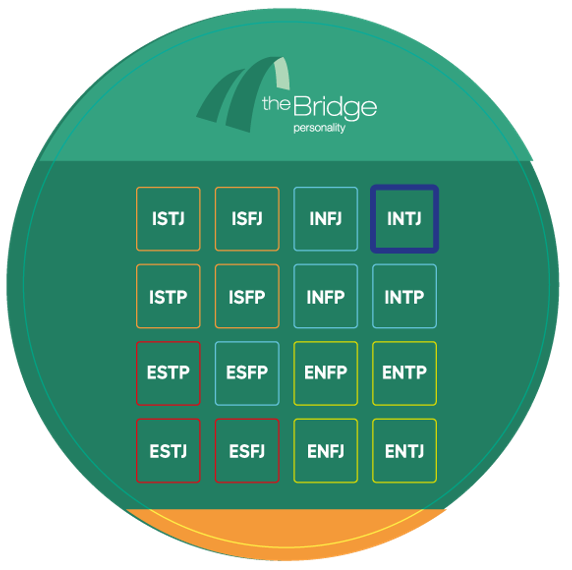
Preferences of the INTJ:
How do others view INTJs?
Scholars are often seen as calm, determined, and confident. They do not always enjoy engaging in conversations, especially with people they do not know. They do not always express their most valuable side, their creative insights. However, they come up with logical decisions, opinions, and plans. They are sometimes seen as quirky, often to their own surprise. They see themselves as willing to revise an opinion if there is evidence or other good reasons for it.
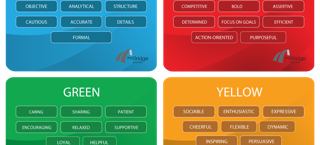
Others view INTJs as:
Pitfalls and development points of the INTJ:
When INTJs find themselves in a place where they cannot use their characteristics and talents, they can sometimes:
Scholars form a small part of the population, only two percent. It is often difficult for them to find others with the same intellectual interest and tactical skills. Scholars are innovative and determined, have grand ambitions but prefer to work alone, they are always curious but will never waste their energy frivolously.
With the right mindset, any goal is achievable as children, INTJs often already show a natural thirst for knowledge and are called "bookworms." They wear this title with pride and enjoy the deep knowledge they acquire. Although Scholars like to share knowledge, they prefer developing and executing ingenious plans in their field rather than engaging in less interesting matters like gossip.
Scholars are sometimes an enigma to others; they can handle contradictions that seem illogical to others. They are both idealistic and cynical, which seems contradictory. Scholars believe that anything is possible with hard work and intelligence, but they also often think that people are too lazy or self-centered to truly achieve something great. However, a skeptical view of reality does not prevent them from achieving results they believe in.
Stand firm in your principles INTJs exude confidence and often have a mysterious aura. With their sharp insights, original ideas, and strong logic, they can implement changes with willpower and personality. They often seem to want to dissect and improve every idea or system they encounter, displaying a certain degree of perfectionism and moralism. Those who cannot keep up with their way of thinking quickly lose their respect.
Rules, limitations, and traditions are things Scholars have little regard for – everything must be open to question. Once Scholars find a better way, they often act quickly and independently to implement their advanced and sometimes insensitive methods.
This does not mean they are impulsive – Scholars want to remain rational, no matter how tempting the end goal. They apply unyielding logic to everything and everyone, and that is sometimes precisely where problems begin.
Scholars are confident about the knowledge they have acquired, but social skills are often not their strongest point. Small lies or small talk do not suit those who seek truth and depth, and they often find social conventions meaningless. Ironically, they often feel most comfortable out of the spotlight, where they are at ease in familiar environments and naturally confident, attracting people with similar interests.
INTJ in the Workplace
INTJs are independent and goal-oriented employees. They take initiative, improve processes, and analyze situations with a critical mindset. Working with an INTJ can be challenging for those who enjoy casual chats and small talk. They appreciate directness and meaningful, content-driven discussions.
Best Careers for an INTJ
INTJs prefer a challenging and strategic role over an ordinary job. Suitable careers include:






















The Bridge Tests & Online Assessments
TestGroup is the official provider of the renowned Bridge tests and online assessments, which are high-quality, scientifically validated psychometric tools used globally. Developed in collaboration with universities around the world, these assessments predict workplace behavior through personality tests, cognitive ability evaluations, and career assessments. We assist organizations globally in using online assessments.






-
What is the INTJ personality type according to The Bridge Personality?
-
The INTJ is known as a strategic and independent thinker. People with this type analyse systems deeply, set long-term goals and prefer to work in an environment where logic, structure and improvement are central. They thrive when they can rethink processes and create smarter solutions.
-
How do INTJs typically behave in the workplace?
-
INTJs combine focus with clear vision. They enjoy working independently, make well-thought-out decisions and appreciate efficient communication. They are often the people who bring structure to complex projects, challenge existing methods and guide teams toward better outcomes.
-
What are common development points for INTJs?
-
INTJs may overlook the emotional side of teamwork and can appear distant or overly direct. They sometimes underestimate how much others need explanation, encouragement or support. They may also become impatient when colleagues work in a less structured or slower way.
-
Which careers fit INTJs well?
-
INTJs are strong in roles that require strategy, planning and analytical thinking. They are well suited for positions such as consultant, engineer, business analyst, architect, project manager, data specialist or systems designer. Careers with complexity and autonomy suit them best.
-
How does The Bridge Personality differ from the MBTI or 16Personalities?
-
The Bridge Personality offers more depth and accuracy than simple type-only models.
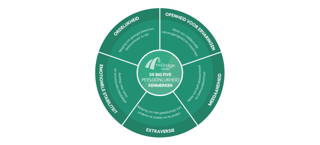
- It measures both personality dimensions and the 16 Jung Types.
- It uses advanced psychometrics designed for reliable use in organisations.
- It is created for recruitment, leadership development and team improvement. Compared to MBTI and 16Personalities, it gives more detailed results that are better suited to professional decision-making.
-
Can organisations use INTJ insights for hiring or team development?
-
Yes. The INTJ profile provides valuable insight into how a candidate handles strategy, decision-making and long-term planning. It helps organisations understand where INTJs add the most value and which situations may require additional support or coaching.
-
Is the INTJ type fixed?
-
No. INTJ describes strong preferences, but people adapt their behaviour depending on context, experience and development. The Bridge Personality highlights this flexibility by combining type results with detailed trait information.
-
How can organisations apply INTJ insights in practice?
-
- Place INTJs in roles with responsibility for analysis, structure and improvement.
- Use their strengths in situations where clarity, planning and independent thinking are essential.
- Provide development support in communication, team interaction and emotional awareness.
- Use team results to understand how INTJs influence overall team dynamics.
-
Do clients receive a free debriefing of the results, and how does this benefit organisations working with INTJ profiles?
-
Yes. Organisations can request a free debriefing session with a TestGroup consultant. This is especially useful when working with INTJs, because their reports often contain detailed analytical information. The debriefing helps translate these insights into practical decisions for recruitment, coaching or leadership development.
-
Is a free training session included with an annual subscription, and how is this relevant for teams with INTJ employees?
-
Yes. An annual subscription includes a free training session. This training is valuable for teams that include INTJs, because it shows how to interpret their results correctly, how to integrate their strengths into team processes and how to create an environment where INTJs can work at their best.
Online Assessment Tips