What is the ISFP personality type?
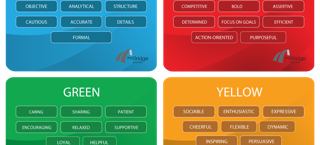
Peacemakers (ISFPs) focus on the present and enjoy quiet moments. They take their time to appreciate every experience. They value their freedom to choose their own path, have personal space, and manage their schedules. Peacemakers tend to notice new trends more than other types. Many of them are creative and may work in areas like interior design, creating art, or painting. They dislike conflicts and try to avoid situations that could lead to disagreements.
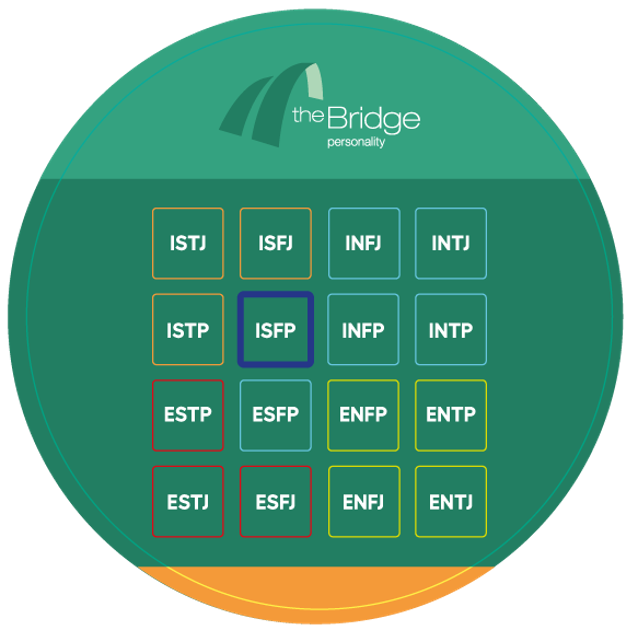
Preferences of the ISFP:
How do others view ISFPs?
Peacemakers easily adapt. They are flexible unless something important to them is threatened. They care a lot about other people, showing this more through actions (help) than words. They are more inclined to observe and support than to organize. They dislike dominating others. They sometimes tend to avoid decisions or underestimate their own achievements.
Others view ISFPs as:
Pitfalls and development points of the ISFP:
When ISFPs find themselves in a place where they cannot use their characteristics and talents, they can sometimes:
ISFP and Career
ISFPs thrive best in a creative and flexible work environment where they can use their artistic and empathetic talents. They flourish in settings such as schools, editorial offices, or artistic industries, where they have the freedom to approach their work in their own way. Strict rules and rigid structures? Those quickly drain their energy.
An ISFP colleague is often loyal and engaged, but don’t expect them to always strictly follow the rules. They value freedom and prefer to figure things out for themselves. This can sometimes clash with an ESTJ colleague, who strongly values structure. Additionally, they may withdraw when the pressure rises, especially around dominant personalities like ENTJs. Want to collaborate effectively with an ISFP? Appreciate their creativity and respect their unique way of working.
Best Careers for an ISFP
ISFPs seek jobs that allow them to express their creative and sensitive nature while offering independence. Suitable careers include:






















The Bridge Tests & Online Assessments
TestGroup is the official provider of the renowned Bridge tests and online assessments, which are high-quality, scientifically validated psychometric tools used globally. Developed in collaboration with universities around the world, these assessments predict workplace behavior through personality tests, cognitive ability evaluations, and career assessments. We assist organizations globally in using online assessments.






-
What does ISFP stand for?
-
ISFP means Introverted (I) – Sensing (S) – Feeling (F) – Perceiving (P). People with this type tend to be sensitive to their immediate surroundings, guided by personal values, flexible rather than rigid, and often quietly observant.
-
How does ISFP fit into the 16 Personalities and MBTI models?
-
The ISFP type is one of the 16 personality types defined by the Myers‑Briggs Type Indicator (MBTI) and often referenced via the 16 Personalities taxonomy. It appears under the “Sensing-Feeling” dimension and is commonly nick-named “the Adventurer” in popular frameworks.
-
How does The Bridge Personality help organisations understand ISFP types better?
-
The Bridge Personality offers several benefits for understanding ISFP types in a business or organisational context:
• It goes beyond just typing (for example ISFP) by integrating both a Jung-type framework and the Big Five trait model, giving a fuller, evidence-based picture of personality.
• It uses both normative and ipsative items in its assessments, improving reliability and reducing response bias (such as what happens when someone tries to “look good” in a test).
• It gives actionable insights for how someone with an ISFP profile behaves in the workplace: how they prefer to communicate, how they make decisions, how they perform in teams, what motivates them, and what challenges they might face.
• It is designed for corporate use (recruitment, development, team-building) rather than just personal interest, which makes it appropriate for organisations using ISFP insights for talent management.
-
What are typical strengths of an ISFP in the workplace?
-
• Strong sensitivity to people and their needs
• Calm, careful and practical working style
• Creativity and aesthetic awareness
• Flexibility and adaptability
• Focus on quality and meaningful work
-
What challenges might an ISFP face at work?
-
• Avoiding conflict or difficult decisions
• Discomfort in highly structured or hierarchical environments
• Limited interest in long-term planning
• Difficulty with assertiveness or direct feedback
• Overwhelm in chaotic or noisy workplaces
-
How can organisations use ISFP insights from The Bridge Personality in recruitment and development?
-
• In recruitment: understanding an ISFP’s workstyle, communication and team fit improves hiring decisions.
• In development: results help guide coaching on assertiveness, decision-making, structure and long-term planning.
• In teams: knowing ISFP preferences supports smoother collaboration and reduces misunderstandings.
-
Why is The Bridge Personality especially valuable for organisations assessing ISFP profiles?
-
• It offers deeper, evidence-based insights than type-only models.
• It connects ISFP behaviours to concrete workplace situations.
• It is built for professional use in hiring, development and leadership decisions.
• It is suitable for international and multilingual HR processes.
Online Assessment Tips