What is the ISFJ personality type?
Caregivers (Personality Type: ISFJ) are reliable and caring. They commit to the people and groups they feel connected to. They are very loyal and take their responsibilities seriously. Caregivers work hard to finish their tasks on time and to a high standard. They focus on important tasks but dislike doing things they think are unnecessary. They pay attention to others' needs and set clear steps to meet those needs. Caregivers have a strong sense of responsibility and expect the same from others.
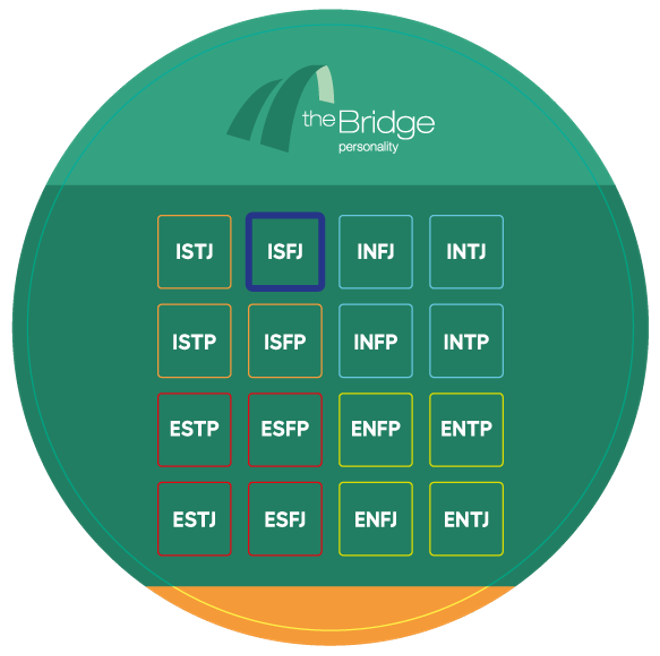
Preferences of the ISFJ:
How do others view ISFJs?
Caregivers are modest and quiet in their interactions with others. They often prioritize others, especially family members, above their own needs. They dislike confrontations or arguments and will be flexible and accommodating. They do not like people who behave disrespectfully or tactlessly. Other people often notice their desire for structure and their friendliness.
Others see the ISFJ as:
Pitfalls & development points of the ISFJ
If Carers end up in a place where they cannot use their characteristics and talents, they can:
ISFJ and career
ISFJs feel most at home in a structured and supportive work environment where they can help others and truly make a difference. They are reliable, organized, and detail-oriented, making them a stable and supportive force within a team.
With their strong sense of responsibility and caring nature, ISFJs are excellent team players. They appreciate clear tasks and roles and thrive in environments where organization and structure are central.
Best careers for an ISFJ
ISFJs excel in careers where they can use their attention to detail, empathy, and organizational skills. Suitable careers include:






















The Bridge Tests & Online Assessments
TestGroup is the official provider of the renowned Bridge tests and online assessments, which are high-quality, scientifically validated psychometric tools used globally. Developed in collaboration with universities around the world, these assessments predict workplace behavior through personality tests, cognitive ability evaluations, and career assessments. We assist organizations globally in using online assessments.






-
How do other people usually see ISFJs?
-
Others often describe ISFJs as modest, kind and helpful. They are valued for their patience and willingness to assist others, and they usually avoid conflict to keep harmony in their surroundings.
-
What are the common challenges of the ISFJ personality type?
-
ISFJs can find it difficult to say no or express their own needs. They may struggle with change or uncertainty and can feel unappreciated when their efforts are taken for granted.
-
In what type of work environment does an ISFJ perform best?
-
ISFJs thrive in structured, stable environments where expectations are clear and teamwork is valued. They like to work in roles that allow them to help others and see practical results from their efforts.
-
Which careers are a good fit for the ISFJ personality type?
-
ISFJs often succeed in caring or supportive professions, such as nurse, teacher, HR specialist, social worker, administrative assistant or customer service professional. They do well in positions that combine responsibility with a sense of purpose.
-
How can organisations get the best out of ISFJ employees?
-
Similar to MBTI insights, the Jung Type ISFJ thrives when they receive appreciation for their reliability and attention to detail. Providing them with structure, clear communication and opportunities to support others helps them stay motivated and productive.
-
What is the scientific background of the ISFJ personality type?
-
The ISFJ personality type comes from Jung's theory and is also featured in the Myers-Briggs Type Indicator (MBTI) and the 16Personalities framework. Both are based on Carl Jung’s theory of psychological types and connect to modern personality research such as the Big Five model.
-
How can the ISFJ profile be used in recruitment or development?
-
Organisations can use the, The Bridge Personality, MBTI or 16Personalities ISFJ profile to identify dependable, service-minded individuals. It also supports employee development by improving communication and helping teams understand diverse working styles.
-
Are there any limitations to using personality types like ISFJ?
-
While, The Bridge Personality, MBTI and 16Personalities offer valuable insights, they should be used alongside other tools such as ability tests or structured interviews. Combining different assessments gives a more complete and reliable picture of someone’s potential.
-
What does the ISFJ personality type mean?
-
The ISFJ personality type stands for Introversion, Sensing, Feeling and Judging. People with this type are caring, dependable and conscientious, and they often focus on helping others and maintaining stability.
-
What are the main traits of an ISFJ personality type?
-
ISFJs are known for their reliability, attention to detail and strong sense of responsibility. They are supportive, loyal and prefer structure and clear expectations in their work and relationships.
Online Assessment Tips