The pros and cons of a recruitment algorithm
Products
Tuesday 16 June 2026


Is an algorithm better at selecting candidates than recruiters? Can an algorithm replace a personality test or cognitive ability test? Can a recruitment algorithm predict work behavior? Read the advantages and disadvantages here.
A new hype for selecting applicants: not the recruiter but an algorithm determines whether someone fits well with an open vacancy. But does this really work?
How does such a recruitment algorithm work?
A large group of employees is needed to create a recruitment algorithm. These employees provide the data with which the algorithm can do its work. Without this large group of employees (within the same company) the algorithm does not work. Compare it to big data: algorithms cannot do their job without large data sets. For example, from a large group of employees the CV and the motivation letter are analyzed by the algorithm. Some organizations even go further and have their applicants play a game. Based on the assessment scores of these employees (for a well-functioning algorithm, more than 500 employees are required per company) algorithms are developed. The scores of a new applicant are then compared by the algorithm with the best scoring employees.
The online assessment: personality test and ability test
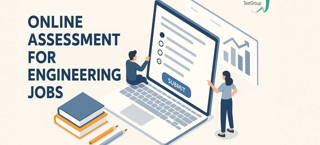
However, when the algorithm has selected a candidate, companies will still personally interview the candidate. Often the candidates also complete a personality test, such as the Jung Personality Test, and an aptitude or cognitive ability test. As a result, there is less time gained during the recruitment process than initially expected. In addition, it remains the question whether recruitment algorithms are truly accurate or if they can reliably predict work behavior. Sound scientific evidence (in the form of scientific publications) is not yet available at this moment.
Meet The Bridge AI: Your Smart First Interview
The Bridge AI is an AI-powered online interview tool designed to handle the early stages of recruitment swiftly and effectively. Candidates respond to three open-ended questions via an online platform, and within seconds—rather than days—you receive a report outlining their Big Five personality traits (think openness, conscientiousness, extraversion, agreeableness, and emotional stability) alongside six core motivational drives such as achievement and analytical thinking. It won’t replace your face-to-face chats, but it gives you a sharp first filter to decide who deserves a deeper conversation.
What makes The Bridge AI stand out is its blend of speed, fairness and scientific grounding. Over 5,000 recruitment teams—including big names like KLM, Philips and Mercedes—trust it to pre-assess candidates across 20+ languages. By removing bias that can come from early interview impressions and giving you a data-backed snapshot of a candidate’s personality and motivations, this tool helps you invite only the strongest, culture-fit potential hires—even before the first in-person chat. And with pricing starting at just €25 per candidate, it saves both time and budget while keeping your process inclusive, global and evidence-based.
What are the advantages of a recruitment algorithm?
What are the disadvantages?
Are you looking for more information about the use of recruitment algorithms for the selection of your future employees? Then contact us here.
Video: the Bridge Assessment Platform
With an account on the Bridge Assessment Platform, you can invite candidates, administer online assessments, and order reports, 24 hours a day, anywhere in the world. The Bridge Assessment platform is used by companies, governments, psychologists, recruiters, and coaches in over 20 countries. The system is easy to use, so there is no need for extensive training. Also, you can start immediately; your account will be ready in just 1 day.





















-
What is a recruitment algorithm?
-
A recruitment algorithm is a system that uses data, predefined rules, or artificial intelligence (AI) to evaluate candidates during the hiring process. Algorithms can assess CVs, application forms, online assessments, skills tests, personality questionnaires, and even video interviews. The goal is to help recruiters make more informed and objective hiring decisions.
-
What are the advantages of a recruitment algorithm?
-
Faster candidate screening
One of the biggest benefits is speed. Recruitment algorithms can process hundreds or even thousands of applications in minutes. This reduces administrative work and allows recruiters to focus on interviewing the most suitable candidates.
More consistent hiring decisions
Human decision-making can vary from person to person. An algorithm applies the same criteria to every applicant, creating a more consistent and standardized selection process.
Reduced unconscious bias
When designed and monitored correctly, recruitment algorithms can help reduce certain forms of unconscious bias. They focus on job-relevant data rather than personal impressions, helping organizations make fairer hiring decisions.
Better use of recruitment data
Algorithms can identify patterns that may not be visible to recruiters. By analyzing historical hiring data and assessment results, organizations can gain valuable insights into the characteristics of successful employees.
Improved candidate-job matching
Combining recruitment algorithms with online assessments can help predict whether a candidate's personality, cognitive ability, and competencies match the requirements of a specific role.
-
What are the disadvantages of a recruitment algorithm?
-
Risk of biased data
An algorithm is only as good as the data it learns from. If historical hiring data contains bias, the algorithm may unintentionally reproduce those biases in future hiring decisions.
Lack of human judgment
Algorithms can process data efficiently, but they cannot fully understand context, motivation, potential, or personal circumstances. Human judgment remains essential in recruitment.
Limited transparency
Some AI-driven recruitment tools operate as a "black box," making it difficult to explain how a decision was reached. This can create challenges regarding compliance, fairness, and candidate trust.
Potential legal and ethical concerns
Organizations must ensure that recruitment algorithms comply with employment laws, privacy regulations, and ethical hiring standards. Regular validation and monitoring are essential.
Overreliance on technology
Algorithms should support decision-making, not replace it. Relying exclusively on automated screening may result in overlooking talented candidates who do not fit predefined patterns.
-
How can organizations use recruitment algorithms effectively?
-
The most effective approach is to combine recruitment algorithms with scientifically validated online assessments and human expertise. Recruitment technology can identify patterns and provide objective insights, while recruiters and hiring managers contribute professional judgment, experience, and contextual understanding.
Many organizations use assessments such as TestGroup's The Bridge Personality, The Bridge Ability Suite, and The Bridge Career alongside recruitment algorithms. This combination helps organizations evaluate personality, cognitive ability, competencies, and job fit using reliable and objective data.
-
Are recruitment algorithms better than traditional recruitment?
-
Recruitment algorithms are not necessarily better than traditional recruitment, but they can significantly improve efficiency, consistency, and scalability. The strongest hiring processes combine technology with human decision-making. Algorithms can support screening and assessment, while recruiters remain responsible for interpreting results, conducting interviews, and making final hiring decisions.
-
Is The Bridge Personality comparable to MBTI in recruitment?
-
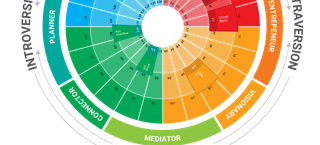
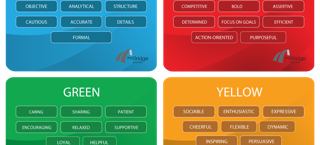
Both tools provide insights into personality, but there are important differences. MBTI focuses on personality preferences and type classifications, while The Bridge Personality combines Big Five personality dimensions, 16 personality types, and the 4-color model in a single assessment. Many organizations prefer The Bridge Personality because it offers broader recruitment and development insights while remaining easy to understand.
Online Assessment Tips